$148.00
$56.00
50% OFF! Hot items selling fast—Grab them before they're gone!
 Unconditional Satisfaction GuaranteeNo Shipping Fees Above 302 Months to Decide. Returns Simplified.
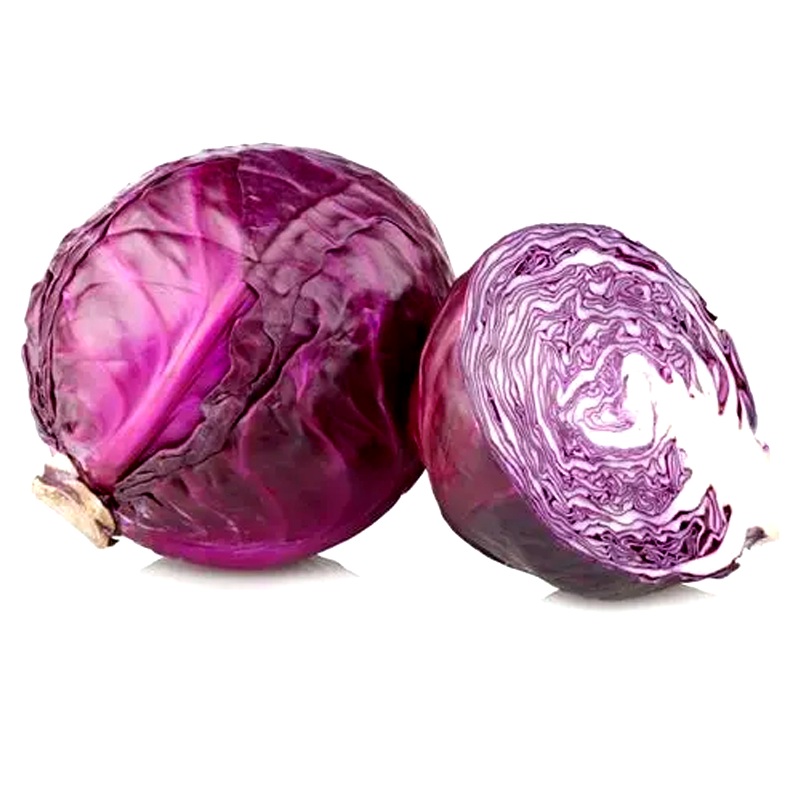
Red cabbage is a member of the cruciferous vegetable family, which also includes broccoli, cauliflower, and Brussels sprouts. It is a large, round vegetable with deep purple leaves. Red cabbage is a good source of vitamins C and K, as well as fiber. It is also a good source of anthocyanins, which are plant compounds that have antioxidant and anti-inflammatory properties.
History
Red cabbage is thought to have originated in Asia Minor, and it has been cultivated for centuries. It was introduced to Europe by the Romans, and it quickly became a popular vegetable. Red cabbage was also introduced to the Americas by European settlers.
Nutrition
Red cabbage is a good source of vitamins C and K, as well as fiber. It is also a good source of anthocyanins, which are plant compounds that have antioxidant and anti-inflammatory properties.
Health benefits
Red cabbage has been linked to a number of health benefits, including:
Recipes
There are many different ways to cook red cabbage. Some popular recipes include:
Storage
Red cabbage can be stored in the refrigerator for up to two weeks. To store, wash and remove the outer leaves. Cut the cabbage into quarters and remove the core. Shred the cabbage and place it in an airtight container.
Here are some additional tips for storing red cabbage:
Red cabbagecontains powerful compounds called anthocyanins. They give this delicious vegetable its vibrant purple color. Anthocyanins are plant pigments that belong to the flavonoid family. Many studies have found a link between eating foods rich in this pigment and a reduced risk of heart disease ( 26 ).Nov 4, 2017
www.healthline.com nutrition benefits-of-cabbage